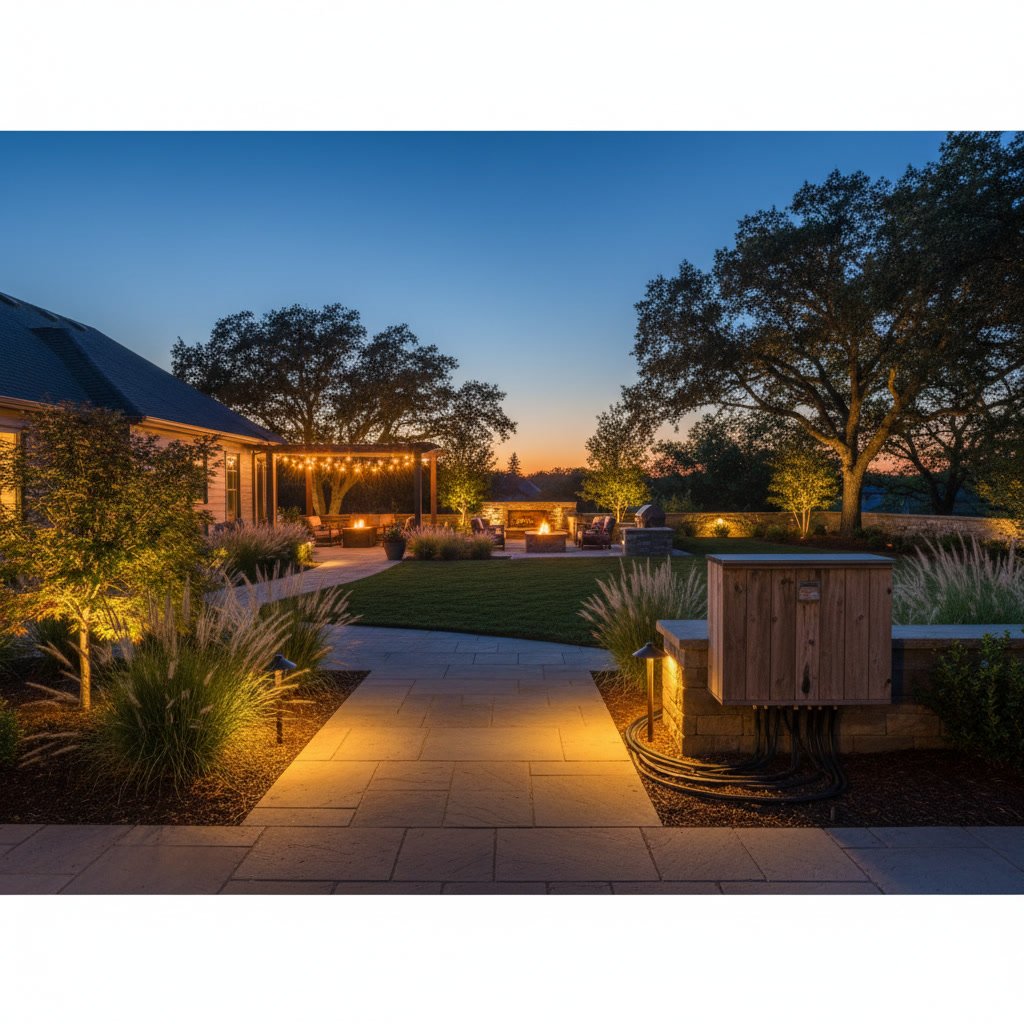
Creating landscape lighting zones allows you to control different areas of your property independently, giving you flexibility to adjust brightness, timing, and ambiance based on how you use each space. By dividing your outdoor lighting into separate circuits or zones, you can illuminate your front yard for security while keeping backyard entertainment lights on a different schedule, or highlight architectural features without powering every fixture at once. This approach reduces energy costs, extends bulb life, and gives you precise control over the mood and function of each outdoor area.
Why Dividing Your Outdoor Lighting Into Zones Matters
Without zones, your entire lighting system operates as a single unit. Every fixture turns on and off together, regardless of whether you need light in every area. This creates unnecessary energy waste and limits your ability to create different atmospheres throughout your property.
Zoning gives you the power to match lighting to activity. Your front walkway might need illumination from dusk until midnight for safety, while your pool area only needs light during evening gatherings. A well-designed zone system lets you operate each area independently without affecting the others.
Understanding the Basic Types of Outdoor Lighting Zones
Most residential properties benefit from three to five distinct zones. The exact number depends on your property size, layout, and how you use outdoor spaces.
Entry and safety zones typically include front walkways, driveways, steps, and doorways. These areas require consistent, reliable lighting from sunset to late evening for security and navigation. A separate zone lets you keep these lights on longer without wasting power on decorative areas.
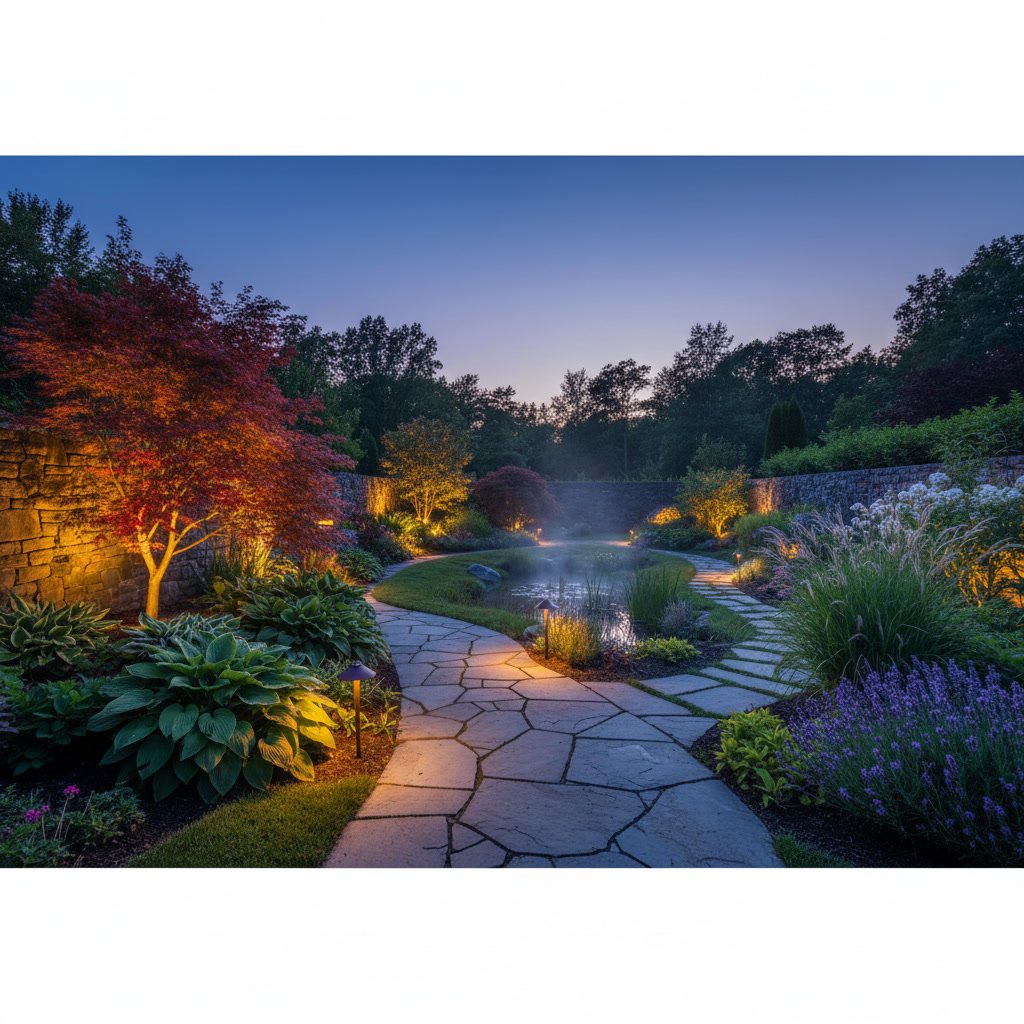
Accent and architectural zones highlight specific features like trees, walls, columns, or garden beds. These zones create visual interest and curb appeal but don’t need to operate all night. You might run these lights only during early evening hours when they make the greatest impact.
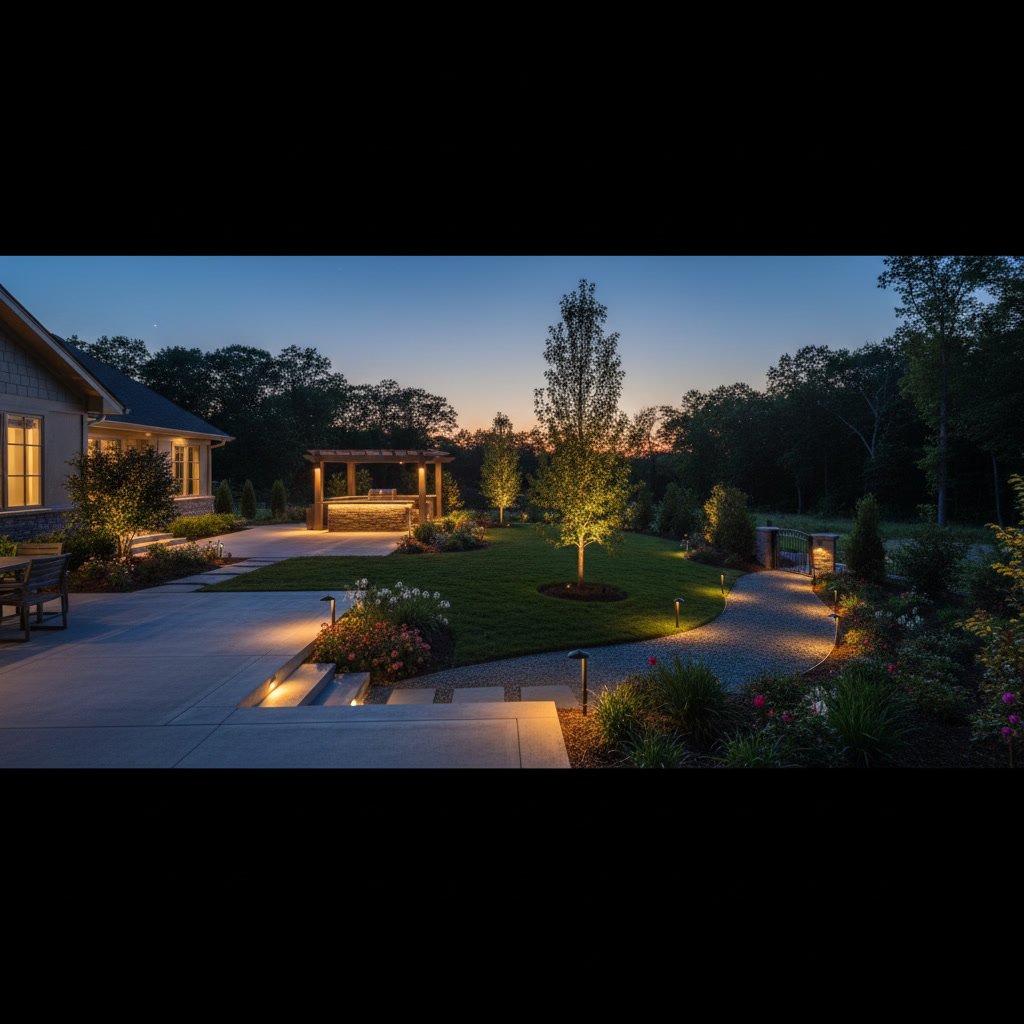
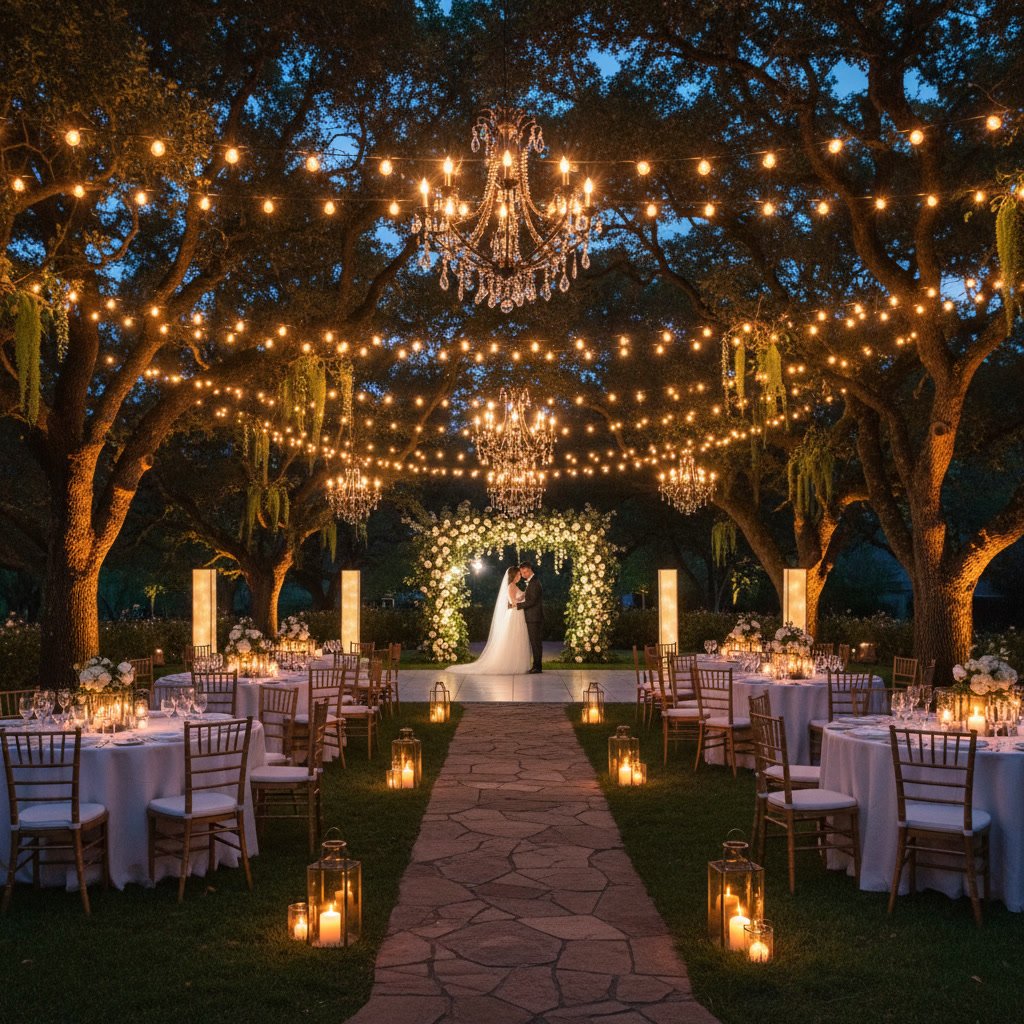
Entertainment and living zones cover patios, decks, outdoor kitchens, and seating areas. These zones operate on demand, only when you’re using the space. Separate control prevents you from lighting unused areas and allows you to adjust brightness for different occasions.
Planning Your Zone Layout in Prescott Before Installation
Start by mapping your property and identifying how you use each area. Walk your yard at different times of day and note which spaces need light for safety versus aesthetics. Consider traffic patterns, gathering spots, and features you want to showcase.
Group fixtures by function rather than location alone. You might have pathway lights that span from your driveway to your backyard, but the front section serves security while the back section serves ambiance. These belong in different zones even though they use similar fixtures.
Account for seasonal changes in how you use outdoor spaces. Arizona properties often see heavier patio use in cooler months. A flexible zone system lets you adapt lighting schedules throughout the year without rewiring.
Choosing Control Methods for Each Zone
Manual timers remain the simplest control method. Each zone connects to its own timer, which you set to turn lights on and off at specific times. This works well for consistent schedules but requires manual adjustment as daylight hours change throughout the year.
Photocell sensors detect ambient light levels and automatically turn zones on at dusk and off at dawn. This eliminates the need to adjust timers seasonally. You can combine photocells with timers to turn lights on automatically at sunset but off at a specific time, such as 11 PM.
Smart controllers offer the most flexibility. These systems let you control each zone from a smartphone app, set custom schedules, dim lights, and even integrate with outdoor audio systems for complete outdoor entertainment control. Many smart systems also provide energy monitoring so you can track usage by zone.
Wiring and Transformer Considerations for Multiple Zones
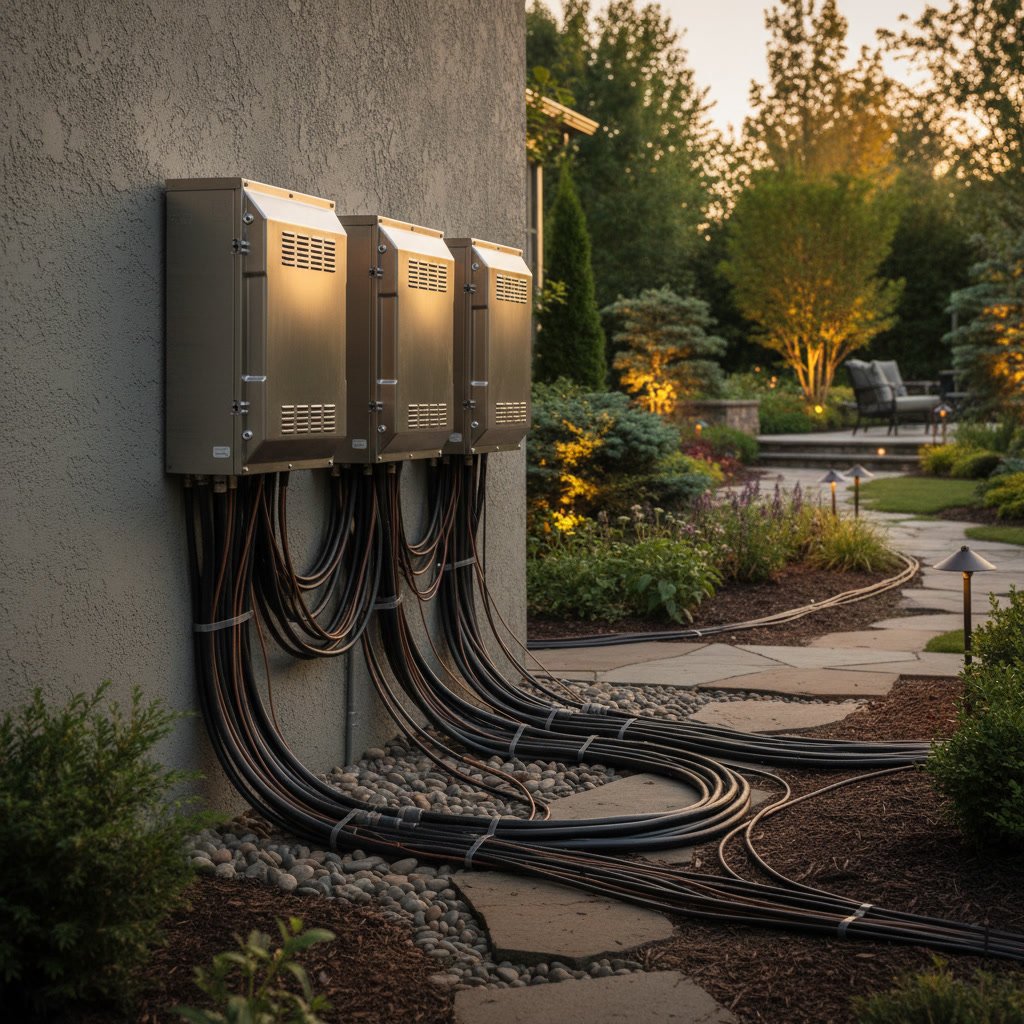
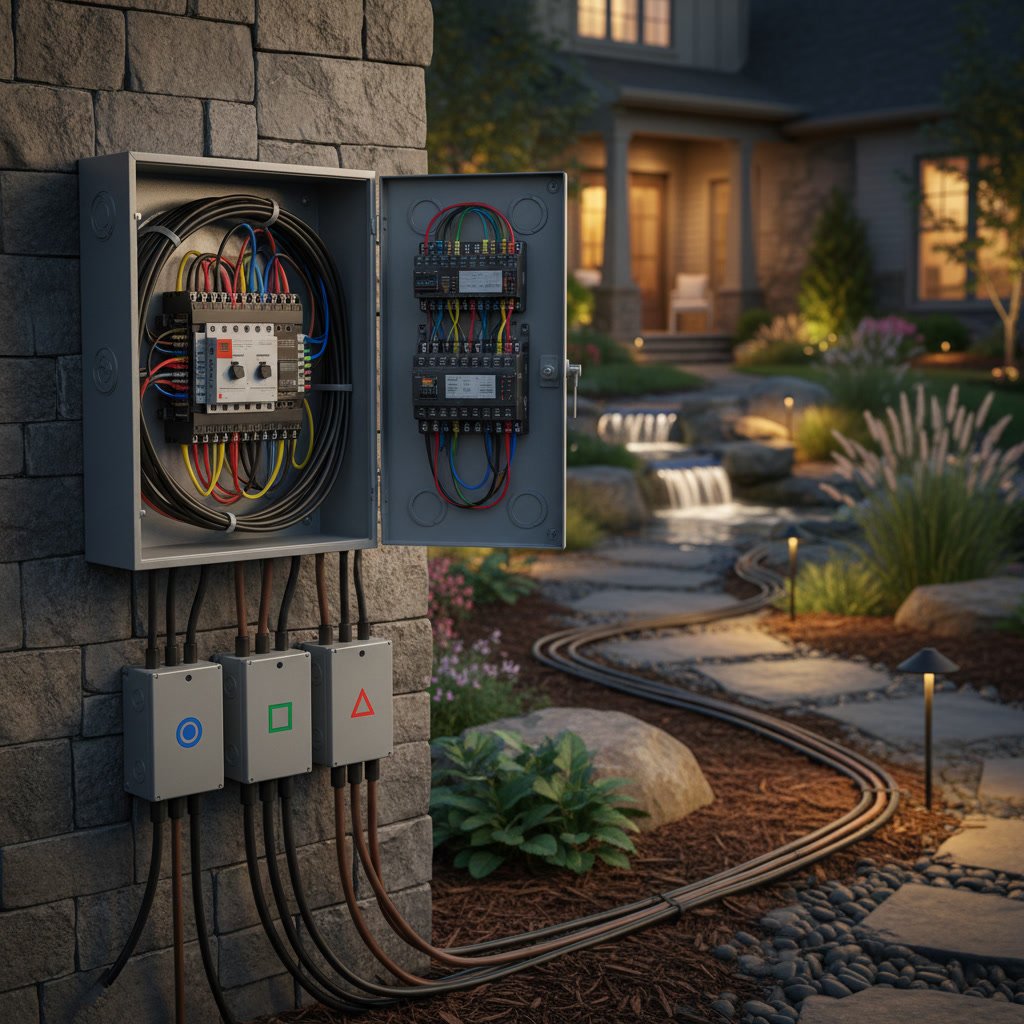
Each zone requires adequate power capacity. A single transformer can power multiple zones if it has sufficient wattage and separate output terminals. Calculate the total wattage of all fixtures in a zone, then choose a transformer with at least 20% extra capacity to prevent overload and voltage drop.
Low-voltage systems typically operate at 12 volts or 15 volts. Wire gauge matters significantly. For runs longer than 100 feet, use 10-gauge or 12-gauge wire to minimize voltage drop. Undersized wire causes fixtures farthest from the transformer to appear dim, creating uneven lighting.
Professional installations often use multiple transformers rather than one large unit. This approach distributes power more evenly across your property and prevents a single point of failure from darkening your entire yard. It also makes future expansion easier since you can add zones without overloading existing equipment.
Creating Lighting Scenes Across Multiple Zones
Scenes combine multiple zones into preset configurations. A welcome scene might illuminate your driveway, walkway, and front door at 100% brightness while keeping backyard zones off. An entertaining scene could dim pathway lights to 50%, turn patio lights to 75%, and activate accent lighting around your pool.
Most smart control systems allow you to program unlimited scenes. You simply select which zones to include, set their brightness levels, and save the configuration. Activating a scene with one button adjusts all included zones simultaneously.
This approach works particularly well for landscape lighting projects that serve multiple purposes. Your property can shift from security-focused illumination during early evening hours to ambiance-focused lighting during gatherings, then back to minimal overnight lighting without manual adjustments.
Balancing Energy Efficiency With Functionality
Zones naturally reduce energy consumption by ensuring you only light areas in use. The average residential landscape lighting system uses 200 to 500 watts when operating all zones simultaneously. Running only necessary zones can cut that by 50% to 70% on most nights.
LED fixtures amplify these savings. A traditional halogen path light might use 20 watts, while an LED equivalent uses three to five watts for similar output. When combined with zone control, you achieve significant long-term cost reduction without sacrificing lighting quality.
Advanced controllers track energy usage by zone and time period. This data helps you identify waste. You might discover that a particular zone runs eight hours nightly but only needs four, or that reducing brightness by 20% in a seldom-used area has no noticeable impact on safety or aesthetics.
Integrating Zones With Permanent and Seasonal Lighting
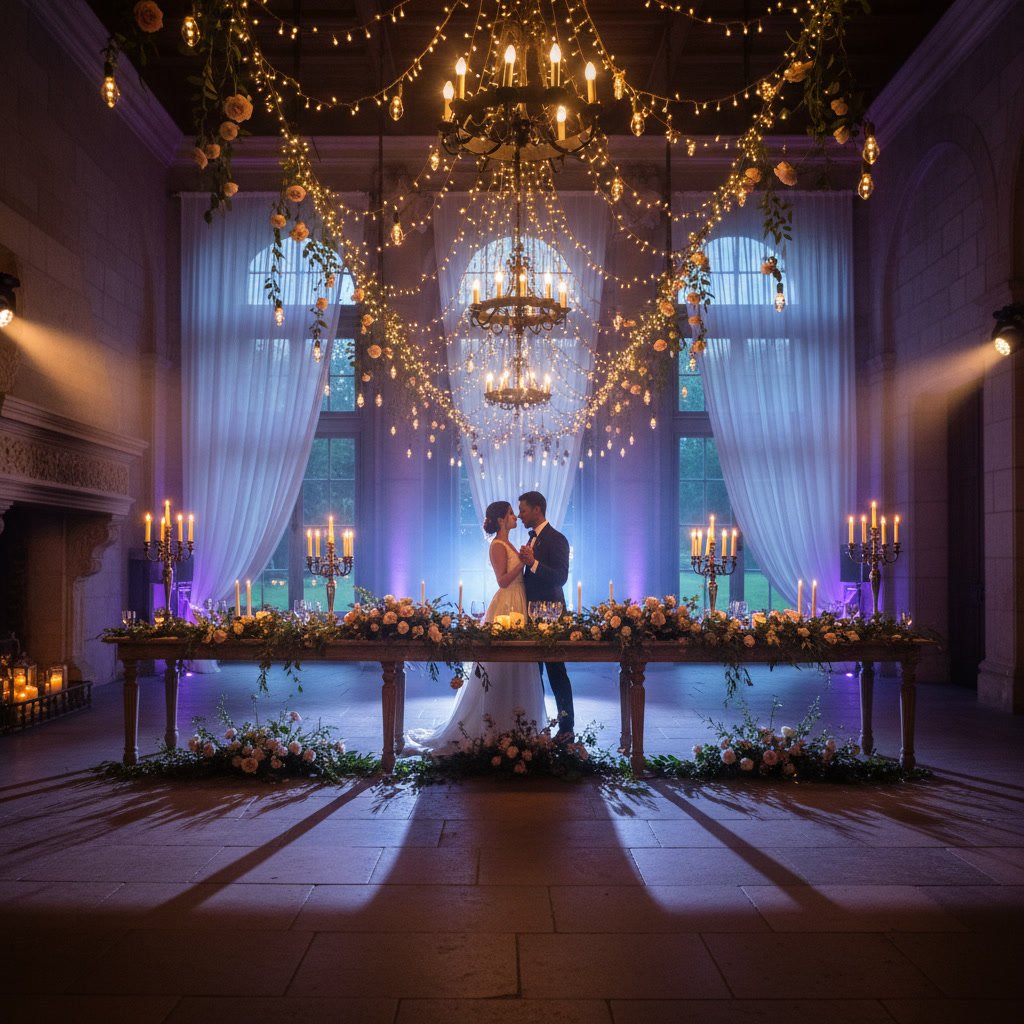
Many properties combine year-round landscape lighting with holiday lighting or event-specific installations. A well-designed zone system accommodates both without conflicts or complicated switching.
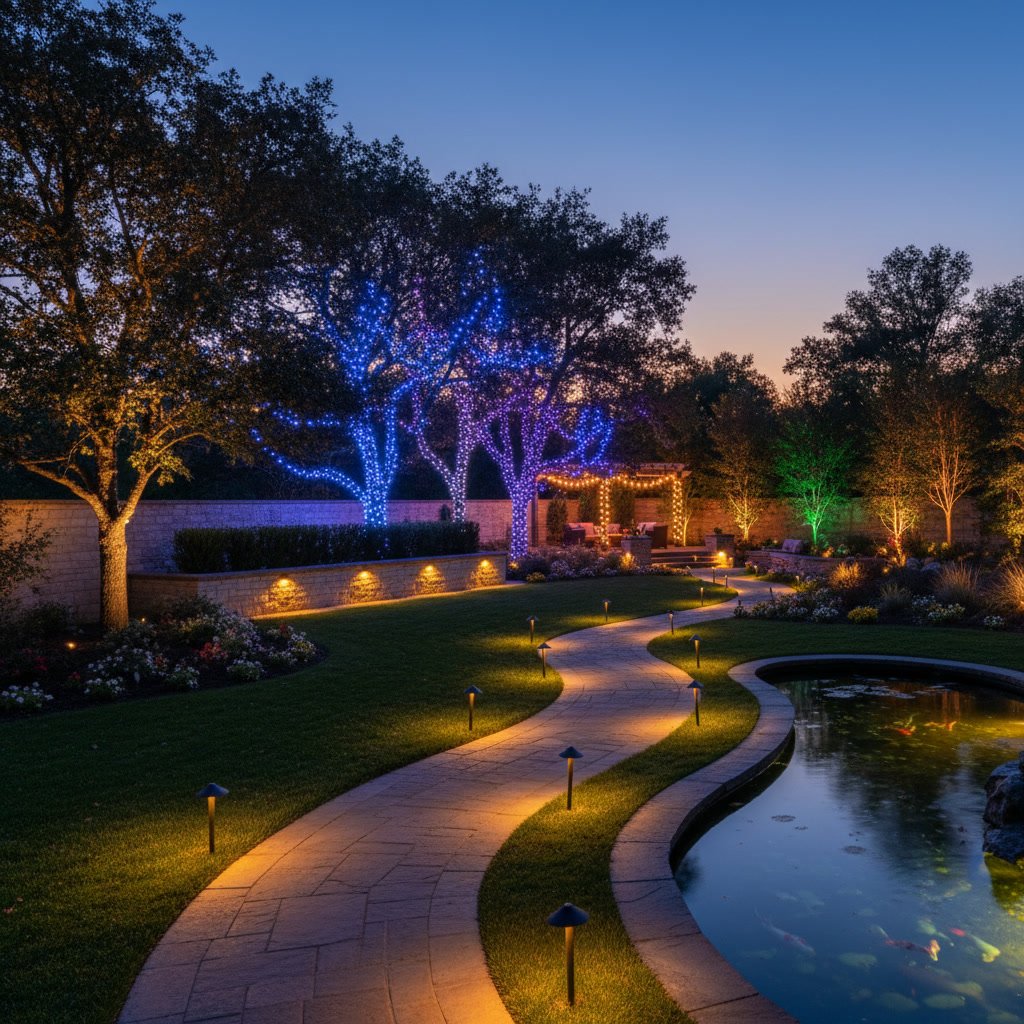
Reserve at least one zone specifically for temporary installations. This zone remains unused most of the year but provides dedicated power and control for seasonal displays. When you add holiday lights, they operate independently from your permanent landscape lighting, letting you run both simultaneously or control them separately.
Properties with permanent lighting track systems benefit from individual zone control for each roofline or architectural section. You can illuminate the front of your home for everyday curb appeal while programming the back and sides for special occasions only, maximizing the versatility of your permanent installation.
Common Zoning Mistakes and How to Avoid Them
Creating too few zones limits flexibility. A two-zone system might seem adequate during planning, but you’ll quickly wish for more granular control once the system operates. Most residential properties function best with four to six zones, even if some zones contain relatively few fixtures.
Mixing incompatible fixture types within a single zone causes problems. Combining adjustable accent lights with fixed path lights in one zone means you can’t dim the accents without dimming the paths. Group dimmable fixtures together and non-dimmable fixtures separately.
Inadequate wire sizing causes voltage drop that worsens over distance. The first fixtures in a zone might appear bright while those at the end look yellow and dim. During the professional landscape lighting installation process, proper wire gauge selection and strategic transformer placement prevent this issue entirely.
Maintaining and Adjusting Your Zones Over Time
Your lighting needs will change as landscaping matures, you add outdoor features, or your usage patterns shift. Review your zone settings seasonally and adjust schedules to match current daylight hours and activity levels.
Test each zone individually at least twice per year. Walk your property with only one zone active, checking for burned-out bulbs, misaligned fixtures, or areas that need additional light. This systematic approach makes maintenance more manageable than inspecting the entire system at once.
Document your zone layout. Create a simple diagram showing which fixtures belong to which zones, transformer locations, and wire runs. This reference proves invaluable when troubleshooting issues, planning expansions, or working with service technicians.
Professional Design Makes the Difference
While basic zone concepts seem straightforward, implementing them correctly requires electrical knowledge, design experience, and familiarity with the specific challenges of outdoor installations. Poorly planned zones create more frustration than convenience, with overlapping coverage, inadequate power distribution, or control systems that don’t match how you actually use your space.
Professional designers assess your property holistically, identifying natural zone divisions based on architecture, landscaping, and usage patterns you might overlook. They size transformers correctly, select appropriate wire gauges, and position equipment for optimal performance and easy future access.
TRI-CITY Lightning brings design expertise and installation precision to every project. Since 2019, we have created custom zone systems throughout northern Arizona that give homeowners complete control over their outdoor lighting while maintaining the beauty and functionality each space deserves.
Take Control of Your Outdoor Lighting
Effective zone design transforms your outdoor lighting from a simple on-off system into a flexible tool that adapts to your needs, saves energy, and enhances your property’s beauty. Whether you’re planning a new installation or upgrading an existing system, proper zoning delivers benefits that compound over years of use.
If you’re ready to design a landscape lighting system with professional zone control for your property, TRI-CITY Lightning provides expert consultation, custom design, and precise installation throughout the greater Prescott area. Reach out at +19283568919 to discuss your project and discover how intelligent zone design can transform your outdoor spaces.