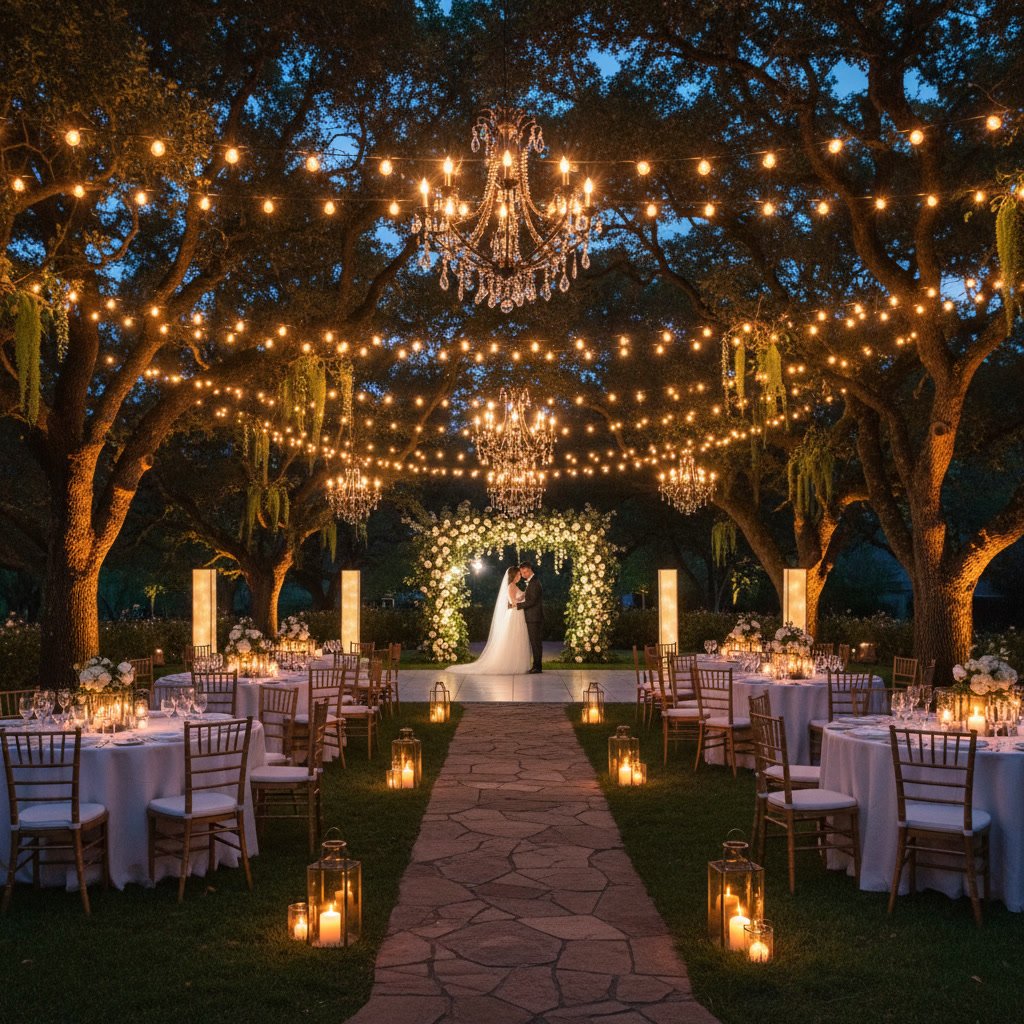

A professional commercial lighting consultation involves a thorough site assessment, custom lighting design tailored to your business needs, and expert installation using commercial-grade fixtures. This process ensures your property receives optimal illumination that enhances safety, security, and curb appeal while staying within budget. Understanding each phase helps business owners make informed decisions and set realistic expectations for their lighting project.
Why Commercial Properties Need Professional Lighting Expertise
Commercial spaces face unique challenges that residential lighting simply doesn’t address. Parking lots require even distribution to prevent dark zones where accidents or security concerns arise. Building facades need precise placement to highlight architectural features while meeting local code requirements. Retail storefronts depend on lighting that draws attention without creating glare or wasting energy on poorly positioned fixtures.
DIY approaches often result in hotspots, shadows, or installations that fail within months due to improper weatherproofing or voltage calculations. Professional installers bring technical knowledge about lumen requirements per square foot, fixture spacing ratios, and wire gauge selection based on run length. These details separate a functional system from one that causes ongoing maintenance headaches or safety violations.
The Initial Site Assessment in Prescott
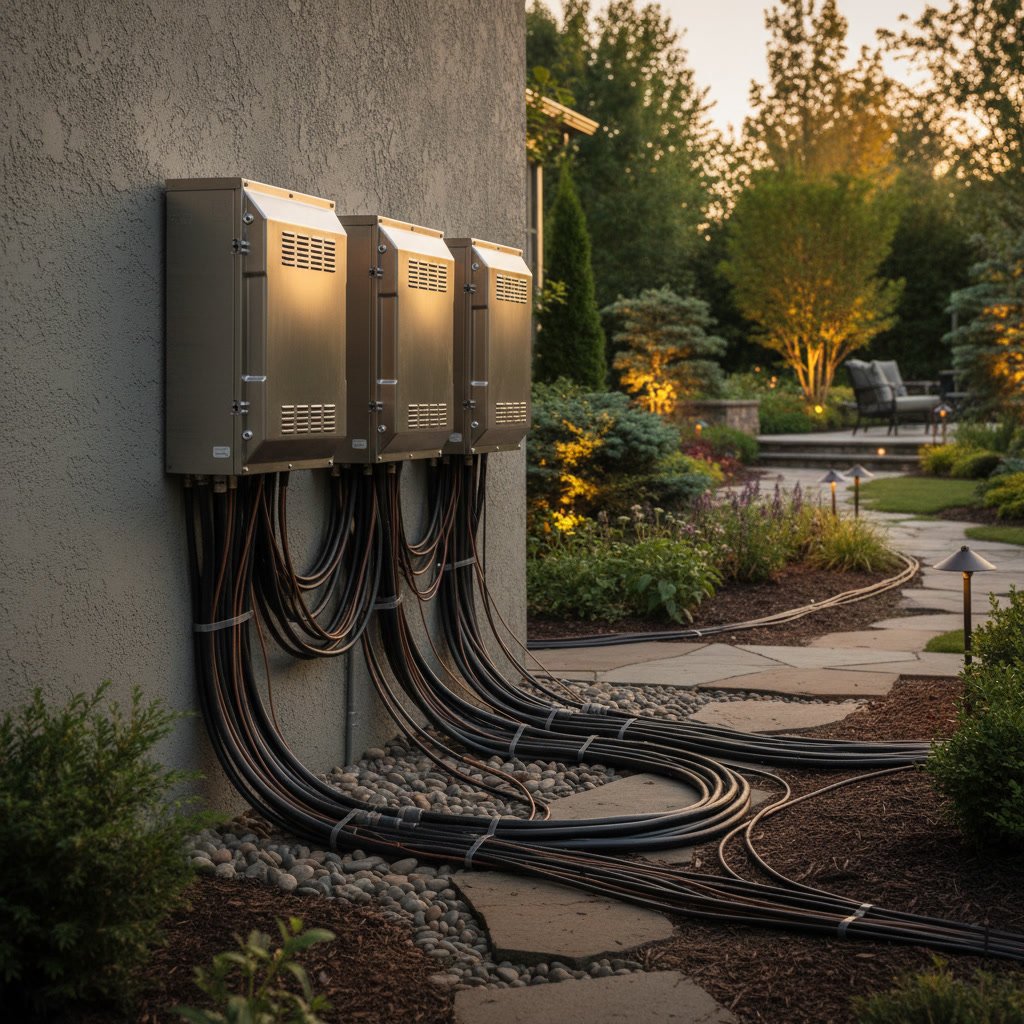
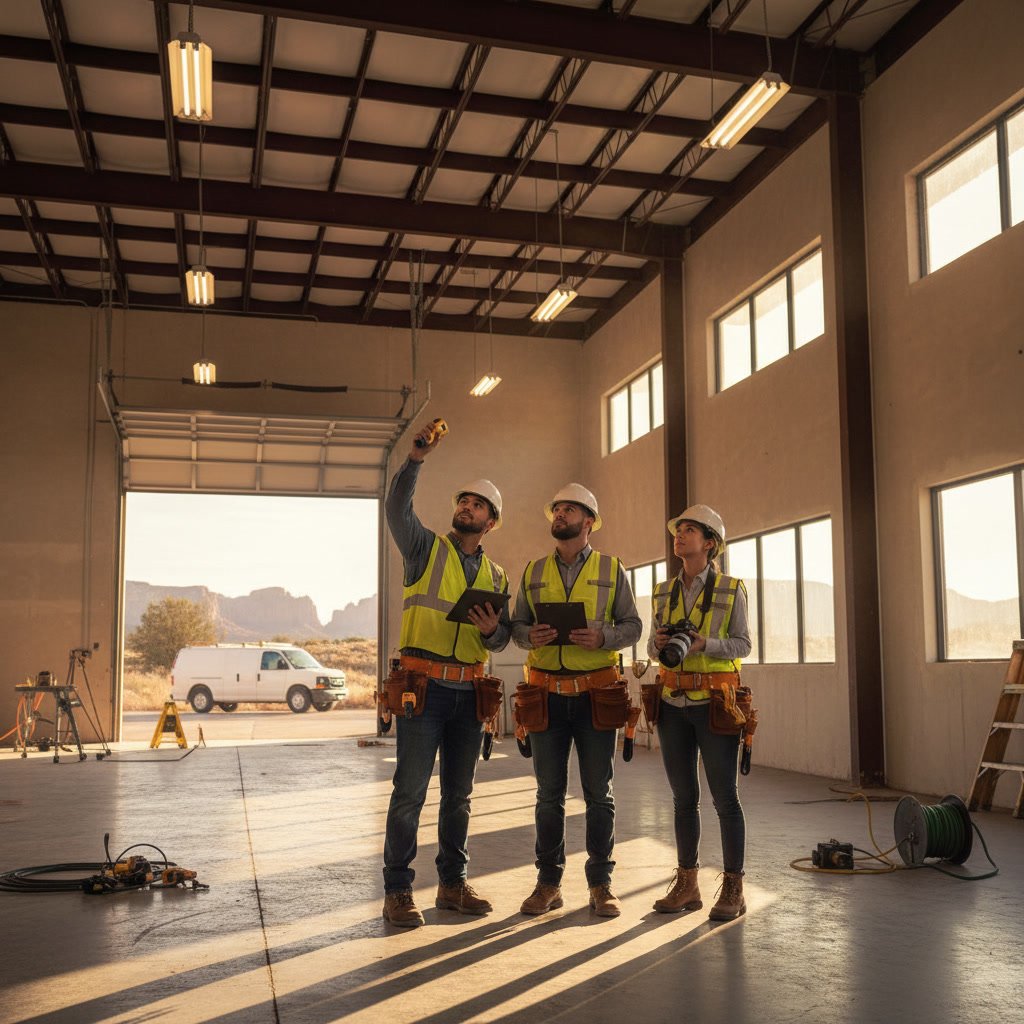
Every commercial project begins with an on-site evaluation where lighting specialists measure the property, photograph existing conditions, and identify challenges. During this phase, professionals note the placement of electrical panels, conduit pathways, and potential obstacles like HVAC units or landscaping that could interfere with cable runs. They document the architecture’s unique features, such as arched entryways or textured stone walls that benefit from specific uplighting angles.
This visit also includes discussions about your business goals. A restaurant might prioritize warm, inviting ambiance for outdoor dining areas, while a warehouse needs high-output fixtures focused on loading zones for safety. Lighting professionals ask about operating hours, seasonal needs, and whether you want programmable controls for different events or time-based schedules.
Custom Design Proposal Development
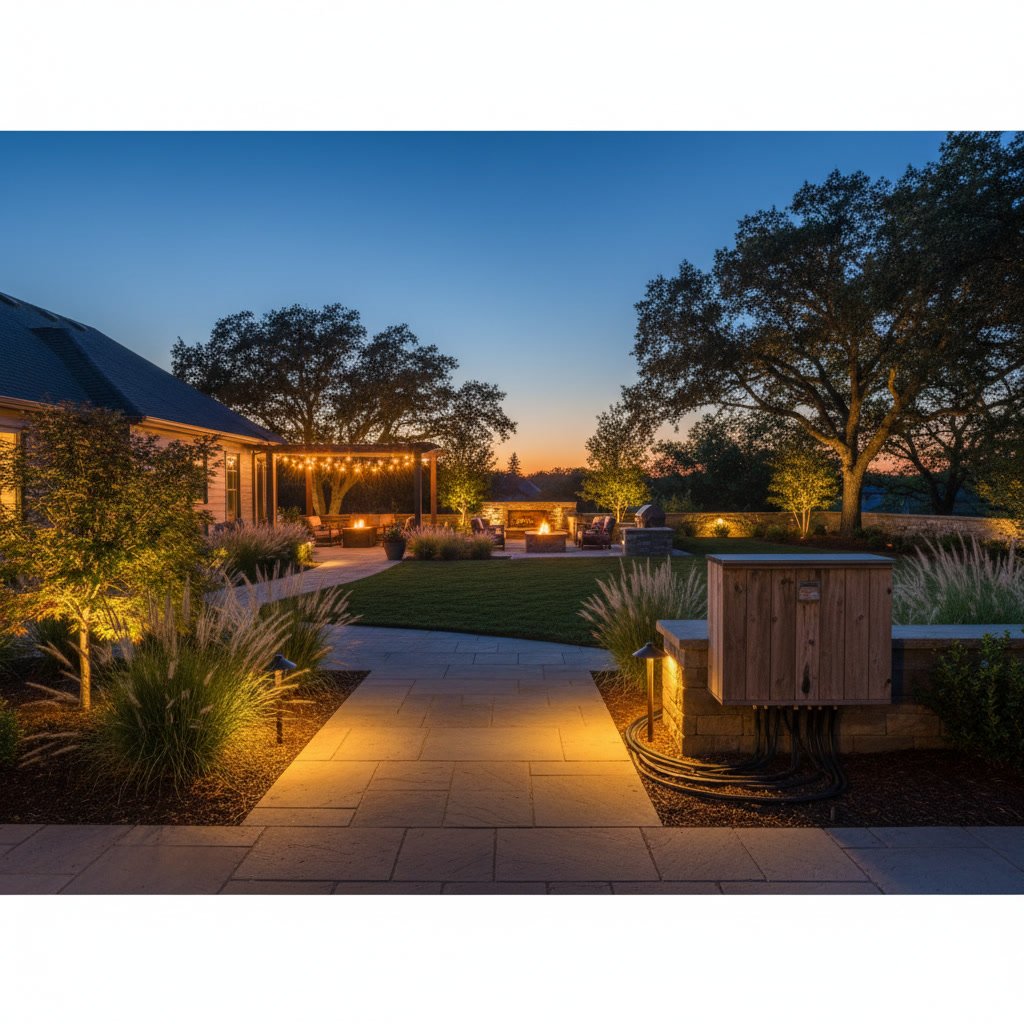
After the site assessment, designers create a detailed plan showing fixture locations, beam angles, and light distribution patterns. This proposal includes product specifications, such as wattage, color temperature in Kelvin, and IP ratings for weather resistance. You receive visual mockups or photometric layouts that illustrate how light will spread across your property at night, helping you visualize the finished result before any installation begins.
The proposal also breaks down costs by labor, materials, and any necessary electrical upgrades. Transparent pricing at this stage prevents surprises later. Designers recommend specific fixture types based on durability, energy efficiency, and maintenance requirements. For instance, permanent lighting solutions using LED track systems offer long-term value compared to traditional flood lights that burn out frequently.
Permitting and Code Compliance Coordination
Most commercial lighting installations require permits from local building departments. Professional installers handle this paperwork, ensuring designs meet National Electrical Code standards and any municipality-specific requirements. This step prevents costly rework or fines that occur when unlicensed contractors skip proper channels.
Experienced teams understand that commercial properties often have additional layers of approval, such as homeowner associations for mixed-use developments or historic district guidelines in areas like Jerome and Sedona. They coordinate with these entities to secure necessary sign-offs before scheduling installation crews.
Step-by-Step Installation Process for Commercial Projects
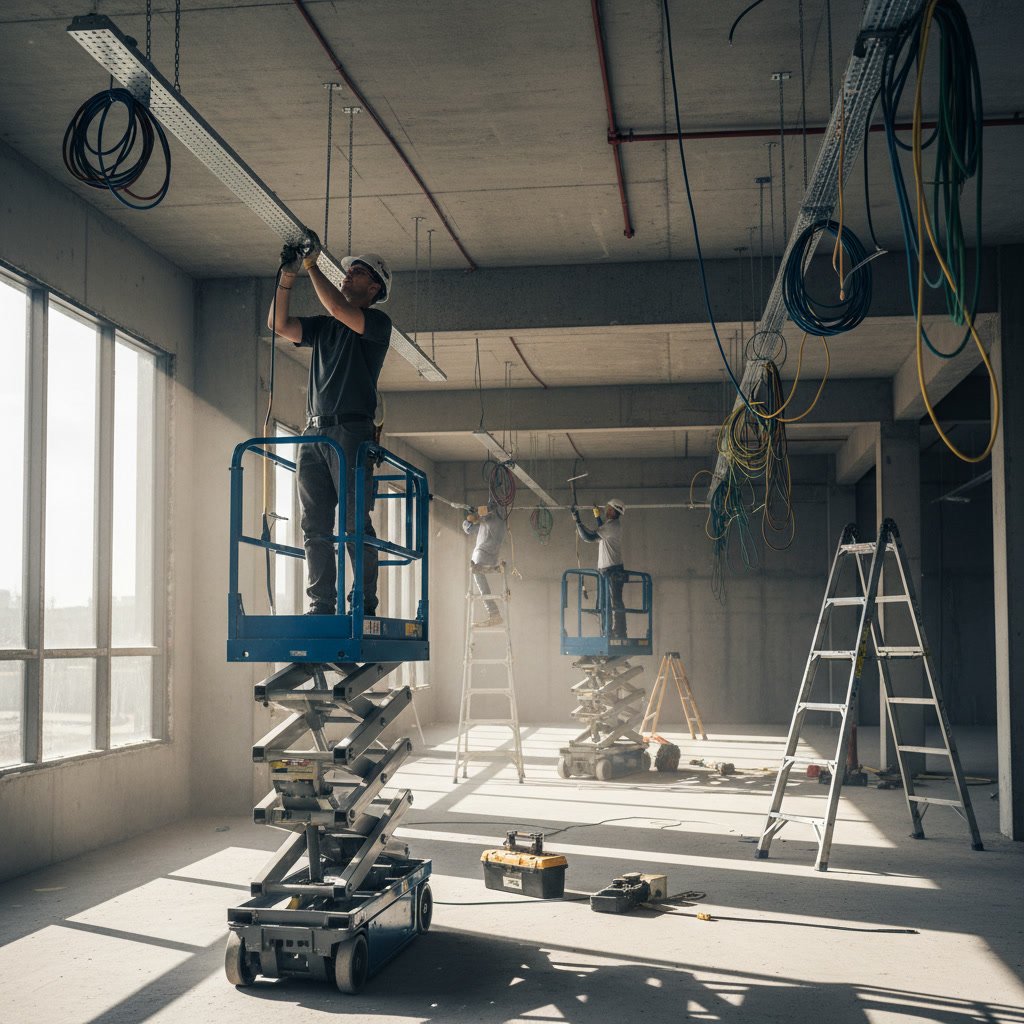
Installation day starts with crew arrival during business hours or after closing, depending on your preference. The team lays out all fixtures and materials, verifying quantities against the approved design. Here’s the typical sequence:
1. Electrical rough-in: Electricians run conduit and wiring from the main panel to each fixture location, securing cables inside protective sleeves and boxes. All connections receive weatherproof seals rated for outdoor exposure.
2. Fixture mounting: Installers attach lights to building surfaces using appropriate hardware for brick, stucco, or metal siding. They measure precise angles for uplighting or wall washing effects, often using laser levels to ensure symmetry across large facades.
3. Wiring and connection: Each fixture gets wired according to manufacturer specifications, with wire nuts and junction boxes sealed against moisture. Systems include proper grounding to prevent electrical hazards.
4. Control system integration: For properties with timers, photocells, or smart controls, installers program these devices to match your operational schedule. Advanced setups allow zone control, so you can illuminate parking areas separately from building accents.
5. Testing and adjustment: Once energized, crews test every fixture, adjusting beam angles and confirming even light distribution. They measure illumination levels with light meters to verify the design meets intended lux or foot-candle targets.
Quality Assurance and Final Walkthrough
After installation, a final inspection occurs with the property owner or manager present. The installer demonstrates how to operate controls, explains maintenance schedules, and addresses any questions about system functionality. This walkthrough ensures you understand timer settings, troubleshooting basics, and when to call for service.
Professional teams document the installation with photos and diagrams showing circuit layouts and fixture locations. This documentation proves invaluable for future maintenance or expansions. You also receive warranty information covering both labor and materials, typically ranging from two to five years depending on the components used.
Post-Installation Support and Maintenance Plans
Commercial lighting systems require periodic maintenance to sustain performance. LED fixtures may last 50,000 hours, but environmental factors like dust accumulation or extreme weather can reduce output over time. Many installers offer maintenance agreements that include annual cleanings, bulb replacements, and system checks.
These plans often catch small issues before they escalate. A loose connection discovered during routine service prevents a complete zone failure during peak business hours. Scheduled maintenance also keeps warranties valid, as some manufacturers require documented upkeep to honor claims.
Energy Efficiency and Long-Term Cost Savings
Modern commercial installations prioritize energy efficiency through LED technology and smart controls. LEDs consume 75% less energy than halogen equivalents while producing comparable or superior light output. Motion sensors in parking areas reduce runtime by activating lights only when vehicles or pedestrians approach, cutting electricity costs significantly.
Businesses often see return on investment within two to four years through reduced utility bills and lower maintenance expenses. Some utility companies offer rebates for energy-efficient lighting upgrades, further offsetting initial costs. Professional installers know which programs apply to your area and can assist with rebate applications.
Specialized Applications Beyond Standard Facade Lighting
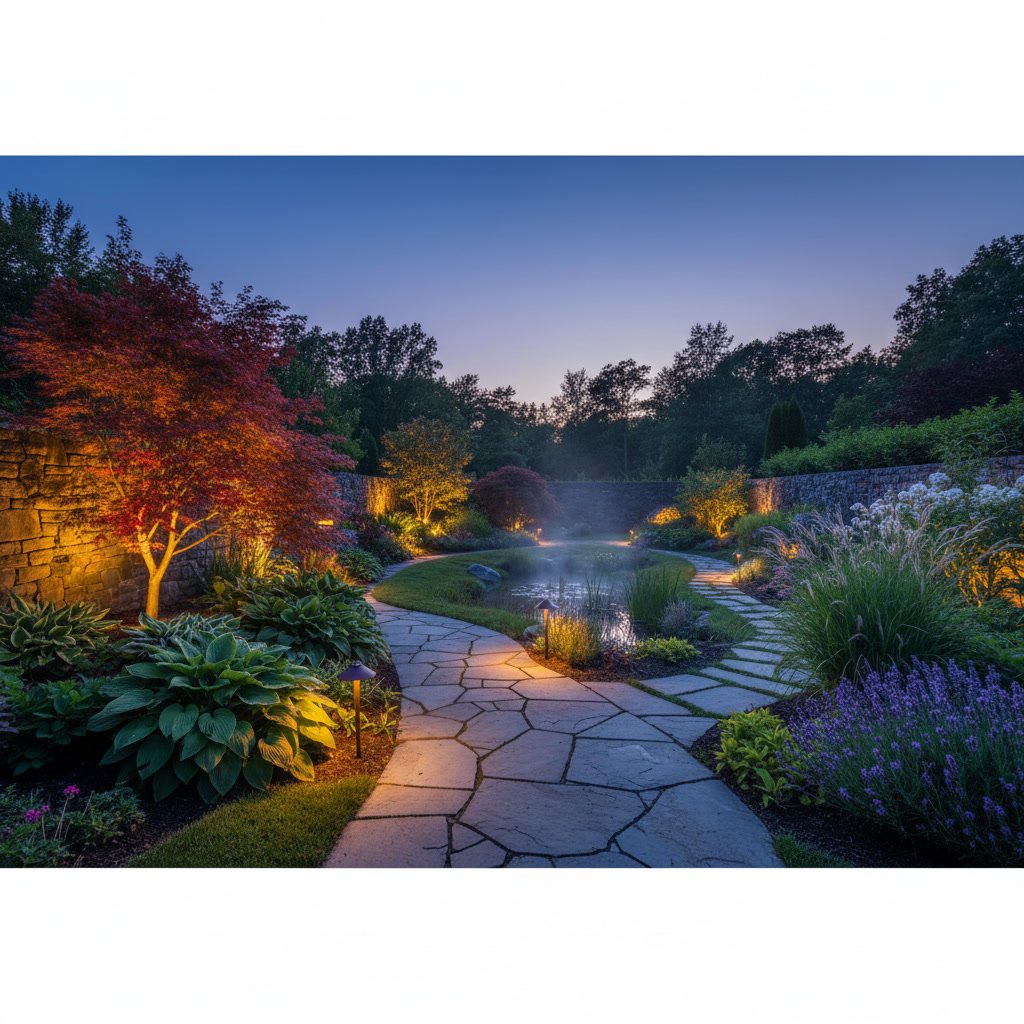
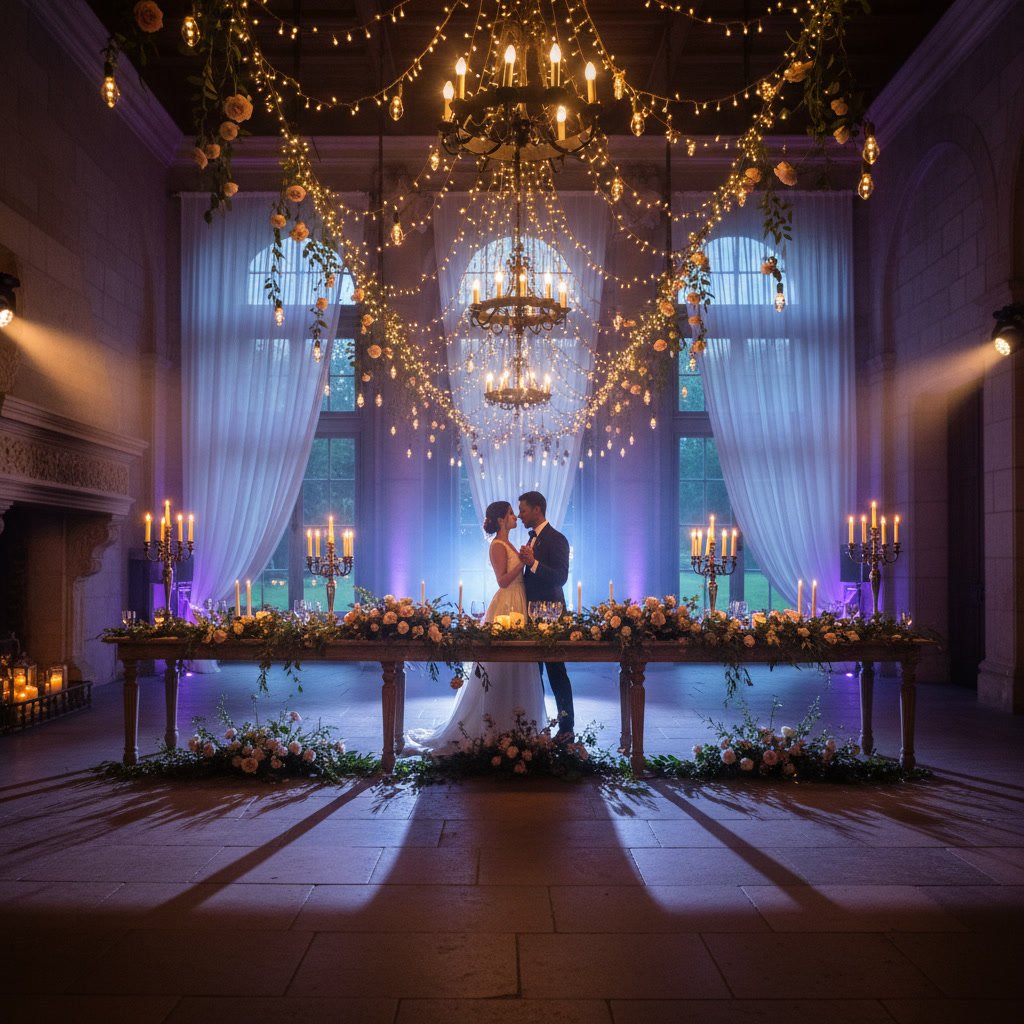
Commercial properties benefit from lighting that serves multiple purposes. Landscape lighting enhances greenery around office buildings, creating inviting entryways that improve employee and client experiences. Event spaces gain flexibility with programmable color-changing systems that adapt to different occasions, similar to techniques used in event lighting for weddings or corporate gatherings.
Restaurants and hospitality venues often combine outdoor lighting with audio systems to create complete entertainment environments. Properly integrated systems deliver sound without cluttering spaces with visible speakers, much like the approach detailed in discussions about integrating outdoor audio with lighting.
Seasonal and Holiday Lighting Transitions
Many commercial properties want festive displays during holidays without the hassle of temporary installations. Permanent lighting tracks with programmable color options solve this problem. The same system displays patriotic red, white, and blue for Independence Day, switches to orange and purple for Halloween, then transitions to holiday themes in December.
This approach eliminates the labor and safety risks of ladder work every season. Property managers simply adjust settings through an app or control panel, changing the entire building’s appearance in minutes. The system remains discreet during non-holiday periods, blending seamlessly with architectural lines.
Partnering with Experienced Lighting Professionals
The difference between adequate and exceptional commercial lighting lies in the installer’s experience and commitment to quality. TRI-CITY Lightning brings hands-on expertise to every project, ensuring installations meet commercial standards while reflecting each business’s unique character. From initial consultation through final testing, attention to detail guarantees systems that perform reliably for years.
Professional teams understand that commercial clients need minimal disruption to operations. Scheduling flexibility, efficient workflows, and thorough cleanup keep projects on track without interfering with daily business activities. Whether upgrading an existing system or designing new construction lighting, experienced installers deliver results that enhance property value and customer experience.
If your commercial property needs professional lighting that combines safety, aesthetics, and energy efficiency, TRI-CITY Lightning serves businesses throughout the region with custom solutions. Reach out at +19283568919 to schedule a consultation and discover how expert lighting transforms your space.